
𐰴𐰢𐰽𐰀-
kamşa-
Meaning:
to sway, to move to and fro; to tremble
The derivation from kamış “reed” (i.e., metaphorically from “to sway like reeds in the wind”), proposed by Clauson, is disputed. Ünal rejects it and proposes a connection with a motion-related base. The family link should therefore be read as a hypothesis, not an established derivation.
Word family
-
𐰴𐰢𐰃𐰽
kamış, kamuş
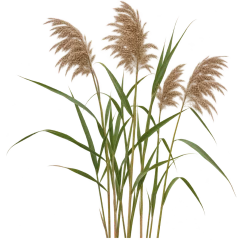
-
𐰴𐰢𐰽𐰀-
kamşa-
- 𐰴𐰢𐱁𐱃- kamşat- -(ı)t⁴ (causative voice)
- 𐰴𐰢𐱁𐰍 kamşag -(ı)g⁴ (nomen actionis)
-
𐰴𐰢𐰽𐰀-
kamşa-
In modern languages (5 / 22)
Select a region to see the cognate.
| Language | Cognate |
|---|---|
| Turkmen | gımşı- (dialectal) |
| Turkish (Azerbaijan) | qımış-* |
| Turkish (Türkiye) | The cognate has disappeared from this language. |
| Salar | The cognate has disappeared from this language. |
| Gagauz | The cognate has disappeared from this language. |
| Crimean | The cognate has disappeared from this language. |
| Uyghur | The cognate has disappeared from this language. |
| Uzbek | The cognate has disappeared from this language. |
| Kazakh | qımsı- |
| Nogai | The cognate has disappeared from this language. |
| Siberian Tatar | The cognate has disappeared from this language. |
| Kyrgyz | The cognate has disappeared from this language. |
| Altai | The cognate has disappeared from this language. |
| Alan | The cognate has disappeared from this language. |
| Kumyk | The cognate has disappeared from this language. |
| Tatar | qımşa- (dialectal) |
| Bashkir | The cognate has disappeared from this language. |
| Tıva | The cognate has disappeared from this language. |
| Khakas | The cognate has disappeared from this language. |
| Sakha (Yakut, Dolgan) | xamsā- |
| Khalaj | The cognate has disappeared from this language. |
| Chuvash | The cognate has disappeared from this language. |
* Meaning shifted
Examples
Translations
German:
sich bewegen, hin und her schwanken; zittern
Russian:
двигаться, качаться, колыхаться; дрожать
Turkish (Azerbaijan):
yırğalanmaq, hərəkət etmək, tərpənmək; titrəmək
Turkish (Türkiye):
hareket etmek, kımıldamak; sarsılmak, titremek
Bibliography 4
-
Orçun Ünal (2023) Kayıp Bir Dilin İzinde: Tarihi bir Türk Lehçesinin Avrasya Dillerindeki Örtük İzleri231, footnote 171231, footnote 171
171 Clauson’un (EDPT 629) kamuš+a- fiilini kamuš “kamış, saz” isminden türetmesi ikna edici değildir. -
Dr. Jens Wilkens (2021) Handwörterbuch des Altuigurischen | Eski Uygurcanın El Sözlüğü327b327b
kamša- ~ k(a)mša- erbeben, zittern || sarsılmak, titremek; sich bewegen || hareket etmek -
Talat Tekin (1993) Book of Omens55b, k(a)mş(a)-55b, k(a)mş(a)-
k(a)mş(a)- to move
k.-yu umatın tur- 16, 25, 37, 39 -
Gerard Clauson (1972) An etimological dictionary of pre-thirteenth-century Turkish629a629a
D kamşa:- Den. V. fr. kamış in the metaph. sense of ‘to move or sway’ like reeds in the wind; n.o.a.b. Türkü viii ff. IrkB 16, etc. (1 tur-): Uyğ. viii ff. Man.-A M III 9, 15 (ii) (çokra:-): Bud. TT X 164, etc. (tepre:-).


