𐱅𐰇𐰏𐰢𐰀
tügmä
Meaning:
button
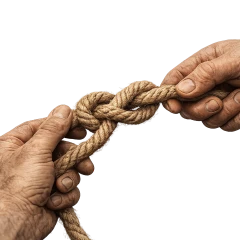
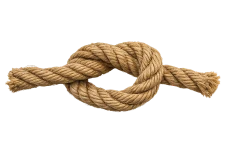
tügmä denotes both a “knot” and a “button” and belongs to tüg- “to tie, knot”. The meaning “knot” is attested in Old Turkic material, while Kāšġarī already records “button”. Clauson (1972) interprets the latter as a semantic development from a fastening made of knotted cord.
Word family
Formed from 𐱅𐰇𐰏- [tüg-] “to tie, to knot” using -ma².
The suffix -ma2 forms nominals from verbs.
-
𐱅𐰇𐰏-
tüg-
-
𐱅𐰇𐰏𐰢𐰀
tügmä
 -ma²
-
𐱅𐰇𐰏𐰢𐰀
tügmä
In modern languages (18 / 22)
Select a region to see the cognate.
| Language | Cognate |
|---|---|
| Turkmen | düwme |
| Turkish (Azerbaijan) | düymə |
| Turkish (Türkiye) | düğme |
| Salar | tüyme (dialectal) |
| Gagauz | düümä This cognate is attested, but has fallen out of use in this language. |
| Crimean | dögme |
| Uyghur | tügmä |
| Uzbek | tugma |
| Kazakh | tüyme |
| Nogai | tüyme |
| Siberian Tatar | tümä (dialectal) |
| Kyrgyz | tüymö |
| Altai | The cognate has disappeared from this language. |
| Alan | tüyme |
| Kumyk | tüyme |
| Tatar | töymä |
| Bashkir | töymä |
| Tıva | The cognate has disappeared from this language. |
| Khakas | The cognate has disappeared from this language. |
| Sakha (Yakut, Dolgan) | timex |
| Khalaj | dīmä (dialectal) |
| Chuvash | tüme |
Examples
No corpus links yet.
Translations
German:
Knopf
Russian:
пуговица
Turkish (Azerbaijan):
düymə
Turkish (Türkiye):
düğme
Bibliography 9
-
Hendrik Boeschoten (2022) A dictionary of early middle Turkicpp. 359b–360app. 359b–360a
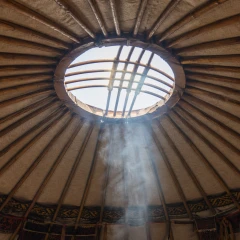
tüg= 1. ‘to knot’ (QT3–4, KA, QA, NF) / düg= (AH) / tüv= (CCb); Tügdi yipni ‘He knotted the cord’ (KA); tügün tüg= ‘to tie a knot’ (QA); yüzin tüg= ‘to scowl’ (QT3); ant tüg= ‘to bind oneself by an oath’ (QT3); Söz tügüštilär ‘They made an agreement’ (QAb). tüg= 2. ‘to fold’ (KT ar. طَوى) | tügäčkä ‘small knot’ (NF) | tügmä 1. ‘button’ (IM, MAv, KA, QA, GUL, KT, DM, KD, MuG) / dügmä (AH) / tüvmä (CC, AH) / tüymä (TZ) | tügmälä= ‘to button up’ (MuG, BM) / tüvmälä= (AH, BM) / tüymälä= (TZ). tügmä 2. ‘clever, cunning’ (KT ar. عَيّار) / tökmä (CCa inginioxus) | tügüm ‘knot’ (KA, QA) | tügün 1. ‘knot’ (QT2–6, MAv, KA, QA, XŠ) / dügün (AH) / tüyün (TZ). tügün 2. ‘barren’ (woman) (QT1, IMa-misvoc. ar. عاقِر) / tüvün (AH, CCb). tügün 3. ‘marriage, wedding party’ (QT3) / dügün (AH); ẖatunluq tügüni ‘marriage tie’ (QT3 ar. عُقْدَةُ النِكاح) | tügnük ‘dome of a tent’ / dügnük (AH) [CL, 485a tügünük ‘smoke hole of a tent’—“dimin. of tügün”]; ötüšsüz tügnük ‘niche for a lamp’ (“hole that does not pass through”) (QT3 ar. مِشْكاة) -
Dr. Jens Wilkens (2021) Handwörterbuch des Altuigurischen | Eski Uygurcanın El Sözlüğüp. 769p. 769
tügmä Knoten || düğüm -
Г. Н. Ниязова (2012) О некоторых лексических параллелях в сибирскотатарском и башкирском языкахp. 117p. 117
сиб. тат. түмә «пуговица» – башк. төймә «пуговица; кнопка; брошь; завязка». Слово восходит к др. тюрк. tügmä «пуговица (завязка)». Образовано от гл. түг-/түй-/төй- < др.тюрк. tüg- «завязать, затягивать» [ДТС 1969, 595]; сиб. тат. төйрәүец «булавка» – башк. төйрәүес «булавка». -
Sergei Starostin, Anna Dybo, Oleg Mudrak (2003) Etymological Dictionary of the Altaic Languagesp. 1361p. 1361
*teg[u] to make knots, tie to a hook: Tung. *deg-; Mong. *degeɣe; Turk. *düg-.
PTung. *deg- 1 to tie with a rope 2 hanger (for drying fish) 3 ski rope (1 перевязывать веревкой 2 вешала (для сушки рыбы) 3 ремешок (лыжного крепления)): Ork. dēg- 1; Nan. degbimu 2; Ud. degumu 2, degseɣi 3.
◊ ТМС 1, 230.
PMong. *degeɣe < (*deɣe-ɣe) 1 hook 2 to be hooked up, suspended 2 to hang up, suspend (1 крюк 2 быть на крюке, подвешенным 3 подвешивать): WMong. degege 1 (L 242), degüǯi- 2, degüǯi-le- 3 (L 246); Kh. degē 1, dǖžle- 3; Bur. degē 1, dǖžel- 3; Kalm. degɛ̄ 1, dǖǯḷ- 3; Ord. degē; Dag. degē (Тод. Даг. 136) 1; S.-Yugh. degē 1; Mongr. dege boGodi ‘clopin-clopant’, dǖʒəle- ‘pendre, suspendre, se pendre’ (SM 56).
◊ KW 85, MGCD 212. Mong. > Evk. degē etc., see Doerfer MT 131, Rozycki 57.
PTurk. *düg- 1 to tie in a knot, make a loop 2 button 3 knot (1 завязывать узлом, делать петлю 2 пуговица 3 узел): OTurk. tüg- 1 (OUygh.); Karakh. tüg- (MK) 1; Tur. düj-; Gag. dǖ-m-ük 3; Az. düj-; Turkm. düv- 1; Khal. tīin 3; MTurk. tüg- 1 (Sangl.); Uzb. tug- 1; Uygh. tüg- 1; Krm. tüjüm 3; Tat. töj-mä 2; Bashk. töjön 3; Kirgh. tüj- 1; Kaz. tüj- 1; KBalk. tüj- 1; KKalp. tüj- 1; Kum. tüj- 1; Nogh. tüj- 1; Khak. tüŋme 2; Shr. tǖn 3; Oyr. tüj- 1; Tv. düj- 1; Tof. düɣ- 1; Yak. tü-m- 1, timex 2; Dolg. tümük ‘knot’, timēk, timek 2.
◊ EDT 477, ЭСТЯ 3, 307-308, VEWT 503, Stachowski 223. On Mong. loans see SKE 264, TMN 3, 203.
‖ A Western isogloss. Turkic -ü- is quite strange here ( < *degü-?), so the Turkic match is somewhat dubious. -
Marcel Erdal (1991) Old Turkic Word Formationpp. 317–318, §3.109pp. 317–318, §3.109
In the DLT we also find a number of -mA forms which are derived from tr. verbs and do not appear either in Uigur or in Orkhon Turkic. They are äg-mä ‘an arch (in a house)’, bıç-ma yorınçga ‘reaped lucerne’, bulga-ma ‘a gruel which contains neither sweetening nor oil’, bür-mä ‘a waist band’, ıd-ma yılkı ‘an animal which is allowed to go free’, köçür-mä oçuk or oyun ‘a fire-place/game which is transported from place to place’, ör-mä saç ‘plaited hair’, kat-ma yuvga ‘folded bread cooked in butter’, kuy-ma ‘type of bread (“the dough is … poured into a kettle …”); tool manufactured by casting’, süz-mä ‘curds’, tik-mä näŋ ‘something sewn’ and tik-mä üzüm ‘grapes that are densely clustered’, tut-ma ‘a chest or coffer’ (which one can presumably hold by its handles), tüg-mä ‘a button’ and udıt-ma ‘moist curd cheese’ (from a metaphorical use of udı-t-). All of these denote the objects of their base verb. -
Gerhard Doerfer; Semih Tezcan (1980) Wörterbuch des Chaladsch (Dialekt von Charrab)p. 106p. 106
dị̄mä ‘Knopf’. dị̄mä te5pliki ‘Knopfloch’. K 412, 1190 dymh. ←A. düymä (oder P. dugma). -
Gerard Clauson (1972) An etimological dictionary of pre-thirteenth-century Turkishp. 482bp. 482b
D tüğme: (d-) Pass. Dev. N./A. fr. tüğ-; properly ‘knotted’; the ordinary meaning ‘button’ prob. originally referred to a cord knotted and re-knotted at the end to form a button of a type still common in China. S.i.s.m.l. meaning ‘button’, in SW Az. düyme; Osm. düğme/düyme; Tkm. düğme/düyme. See Doerfer III 1187. Xak. XI tüğme ‘a button’ (zirr) on a shirt; also the buttons of tunics and cloaks Kaş. I 433: XIV Muh. al-zirr tü:ğme: (-ğ- marked) Mel. 67, 1; Rif. 166; (under ‘buildings’; al-ṭalāla ‘alā ṯalāṯa axşāb (Rif. xaşabāt) ‘a ruined building standing on three timbers’ (i.e. with the fourth gone?) (VU) tüğme: 76, 13; 180; perhaps to be transcribed tögme: and derived fr. tö:g-): Çağ. XV ff. tüğme (spelt) ‘silk buttons’ (dāmahā-yi ibrişimi) which they sew on garments instead of tapes . . . derived fr. tüğ- ‘to knot’ San. 183r. 12 (quotn.): Kom. XIV ‘wily, intriguing’ tökme (?sic; if so a different word, but hard to connect semantically with tök-) CCI; Gr.; ‘button’ tüwme ditto: Kıp. XIII al-zirr tüğme:, which also means al-raculu’l-‘ayyār ‘an intriguer’ Hou. 19, 2; al-‘ayyār (PU) tüğme: do. 25, 8: XIV (under tā followed by mm) tü:me: (?read tüwme:) al-zirr İd. 40; (Tkm.) düğme: al-zirr; (PU) düğme: al-xaṭiru’l-hila ‘very wily’ do. 49: XV al-zirr tüyme; Tkm. düğme Tuh. 18a. 5. -
M Räsänen, I Kecskeméti (1969) Versuch eines etymologischen Wörterbuchs der Türksprachenpp. 503a–bpp. 503a–b
uig. tüg ’knoten’, mtü. tüg ’anknüpfen, befestigen’, čag. usw. tüg ’Knoten machen’, čag. tük, čag. kmk. kzk. usw. tüj, oir. usw. tü, osm. trkm. soj. düj; jak. tüm, tümmü ’вязать узел’; hak. tü-l ’связываться’; uig. mtü. čag. tüg-üm ’Knoten’, kaz. töjön, kmk. tüjüm usw.; mtü. čag. usw. tüg-mä ’Knopf’, kzk. usw. tüj-me, kaz. töj-mä, miš. tü-mä; čuv. təv-ə, tövö ’Knoten’; čuv. tü-le, təvə-le ’einen Knoten machen’; otü. (Kat. 1) tügünčük ’Knoten, Bande’, blk. tüj-üm-ček ’Knoten’, hak. tün-žek ’узелок’; jak. tïmäχ, tämäχ ’пуговица’
~ mo. (KWb. 418) tügü, tegü ’zusammenlesen, zusammenbinden’
LTS 121 -
Zsuzsa Kakuk (1962) Un vocabulaire salarp. 193p. 193
tüyme «bouton» (Pot. tugmà ou tügmè [тугмя])